

Skylight Glass Roofing Window Film for Heat and UV Protection
Bright skylights without the harsh heat
Book Appointment
Skylight Glass Roofing Window Film for Heat and UV Protection
Bright skylights without the harsh heat
Book Appointment
A cool solution for hot skylights and roof glass
_______
Putting window film on skylights is a smart way to stay cool and protect your space from too much heat and UV rays. With Window-Cool’s technology, the film blocks out the worst of the sun, so rooms stay comfortable all day. It’s not just about comfort, either. By cutting down on heat, you won’t need to crank up the air conditioning, which means lower energy bills and, honestly, a smaller footprint on the planet.
This stuff works pretty much anywhere—homes, offices, restaurants, hotels, schools, malls—if you have glass overhead, it does the job. It cleans up the look of a space, too, without the mess or cost of replacing the whole skylight. You get all the daylight, but without the glare and heat that usually comes with it, so the room feels bright but not blinding.
The best part? Installing window film is way easier and cheaper than putting in new skylights. You just pick the tint or sun-control shade that fits your style and needs, and you’re set. It works for both modern and classic buildings. Whether you’re thinking about your living room, a busy lobby, or a restaurant atrium, Window-Cool’s solar window film keeps things comfortable, slashes energy spending, and gives the glass a cleaner, more modern look all while letting the sunlight pour in.
Reduce heat stress on your skylight and glass roofing with the right window film
_______
In most buildings, solar control window film is installed on the interior side of the glass. Interior installation protects the film from weather exposure and generally provides the longest lifespan.
However, certain glazing conditions especially skylights, roof glass, and heavily sun-exposed structures require exterior film installation instead. In these cases, installing film on the interior surface can create thermal stress, increase heat retention, and potentially damage the glass.
Understanding when and why exterior film is required is important for architects, building owners, and facility managers who want both energy efficiency and glazing safety.
Skylights are exposed to direct solar radiation for most of the day, especially in equatorial climates such as Singapore.
Unlike vertical windows, roof glazing receives sunlight almost perpendicular to the glass surface, allowing a large amount of solar energy to enter the glass system.
When solar film is installed on the interior side of skylight glass, much of that solar energy is absorbed within the glass itself.
This creates two main technical concerns:
• Heat accumulation inside the glass
• Thermal stress that can lead to cracking
Exterior film installations help address both problems.
When applying film to the exterior surface of skylights, the glazing system should ideally have a minimum slope of 15 degrees.
Technical Reason
Exterior window films are exposed directly to rainwater. If the glass surface is too flat, rainwater may accumulate on the film surface.
This can cause:
• water ponding
• mineral staining
• long-term adhesive deterioration
• faster surface weathering
A slope of at least 15° allows rainwater to drain naturally, reducing contamination and improving film durability.
Simple Explanation
Exterior film sits outside the glass.
If the skylight is too flat, rainwater can sit on the film like a puddle.
A sloped skylight allows water to run off naturally, keeping the film cleaner and lasting longer.
Glass expands when heated. When part of a glass panel becomes much hotter than another part, thermal stress develops inside the glass.
This is particularly common in skylights.
What Happens with Interior Film
If solar control film is installed on the interior side:
1. Sunlight enters the glass.
2. Solar energy is absorbed by the film and glass.
3. Heat becomes trapped within the glazing system.
The center of the glass becomes very hot, while the edges remain cooler.
This uneven temperature distribution can lead to:
• edge cracking
• glass fracture
• seal failure in laminated glass
This phenomenon is known as thermal stress breakage.
Why Exterior Film Helps
Exterior solar film stops a large portion of solar energy before it enters the glass.
This keeps the entire glass panel cooler and reduces temperature differences across the glass surface.
Simple Explanation
Interior film allows heat to enter the glass first.
Exterior film blocks the heat before it reaches the glass, keeping the glass cooler and reducing the risk of cracking.
Most skylights today use laminated safety glass, which consists of two layers of glass bonded together with a plastic interlayer.
While laminated glass improves safety, it also affects how heat behaves.
Thermal Behaviour of Laminated Glass
The interlayer inside laminated glass slows down heat dissipation. When solar energy is absorbed inside the glass, heat can remain trapped within the glazing unit.
If interior film is installed, solar absorption occurs closer to the laminate layer, increasing internal heat buildup.
This can result in:
• higher internal temperatures
• long-term stress on the laminate
• potential optical distortion
Exterior Film Advantage
Exterior solar film reflects solar energy before it penetrates the glass layers, reducing heat buildup within the laminated structure.
Simple Explanation
Think of laminated glass like a sandwich.
If heat enters the sandwich, it stays trapped inside.
Exterior film blocks the heat before it reaches the sandwich.
Horizontal or near-horizontal glazing receives more solar radiation compared to vertical windows.
Exterior films can significantly reduce:
• solar heat entering the building
• glare from overhead sunlight
• cooling loads on air-conditioning systems
By rejecting solar energy outside the glass, exterior film improves overall building energy performance.
Exterior window films today are engineered to withstand harsh environmental conditions.
Modern exterior films typically include:
• weather-resistant adhesive systems
• UV-stable coatings
• scratch-resistant hard layers
• protective top coatings against pollution and acid rain
These films are designed to perform reliably in environments with:
• heavy rainfall
• high UV exposure
• extreme surface temperatures
Exterior film installation is commonly used for:
• Skylights and roof glazing
• Glass installed on roofs or overhead structures exposed to direct sunlight.
• Sloped glazing
• Glass panels installed at an angle rather than vertically.
• Glass atriums and canopies
• Structures that receive continuous solar exposure.
• Laminated skylight glass
Where interior film may cause excessive thermal stress, glass where interior access is difficult.
Exterior installation may sometimes be the only practical method.
While interior window film installation is suitable for most vertical windows, skylights and roof glazing systems often require a different approach.
Exterior window film application can:
• Reduce solar heat before it enters the glass
• Minimise thermal stress on skylight glazing
• Improve durability and performance of laminated glass
• Enhance indoor comfort by reducing overhead heat and glare
For buildings with skylights, atriums, or glass roofs, properly specified exterior window films provide a safer and more effective solar control solution.
In most buildings, solar control window film is installed on the interior side of the glass. Interior installation protects the film from weather exposure and generally provides the longest lifespan.
However, certain glazing conditions especially skylights, roof glass, and heavily sun-exposed structures require exterior film installation instead. In these cases, installing film on the interior surface can create thermal stress, increase heat retention, and potentially damage the glass.
Understanding when and why exterior film is required is important for architects, building owners, and facility managers who want both energy efficiency and glazing safety.
Skylights are exposed to direct solar radiation for most of the day, especially in equatorial climates such as Singapore.
Unlike vertical windows, roof glazing receives sunlight almost perpendicular to the glass surface, allowing a large amount of solar energy to enter the glass system.
When solar film is installed on the interior side of skylight glass, much of that solar energy is absorbed within the glass itself.
This creates two main technical concerns:
• Heat accumulation inside the glass
• Thermal stress that can lead to cracking
Exterior film installations help address both problems.
When applying film to the exterior surface of skylights, the glazing system should ideally have a minimum slope of 15 degrees.
Technical Reason
Exterior window films are exposed directly to rainwater. If the glass surface is too flat, rainwater may accumulate on the film surface.
This can cause:
• water ponding
• mineral staining
• long-term adhesive deterioration
• faster surface weathering
A slope of at least 15° allows rainwater to drain naturally, reducing contamination and improving film durability.
Simple Explanation
Exterior film sits outside the glass.
If the skylight is too flat, rainwater can sit on the film like a puddle.
A sloped skylight allows water to run off naturally, keeping the film cleaner and lasting longer.
Glass expands when heated. When part of a glass panel becomes much hotter than another part, thermal stress develops inside the glass.
This is particularly common in skylights.
What Happens with Interior Film
If solar control film is installed on the interior side:
1. Sunlight enters the glass.
2. Solar energy is absorbed by the film and glass.
3. Heat becomes trapped within the glazing system.
The center of the glass becomes very hot, while the edges remain cooler.
This uneven temperature distribution can lead to:
• edge cracking
• glass fracture
• seal failure in laminated glass
This phenomenon is known as thermal stress breakage.
Why Exterior Film Helps
Exterior solar film stops a large portion of solar energy before it enters the glass.
This keeps the entire glass panel cooler and reduces temperature differences across the glass surface.
Simple Explanation
Interior film allows heat to enter the glass first.
Exterior film blocks the heat before it reaches the glass, keeping the glass cooler and reducing the risk of cracking.
Most skylights today use laminated safety glass, which consists of two layers of glass bonded together with a plastic interlayer.
While laminated glass improves safety, it also affects how heat behaves.
Thermal Behaviour of Laminated Glass
The interlayer inside laminated glass slows down heat dissipation. When solar energy is absorbed inside the glass, heat can remain trapped within the glazing unit.
If interior film is installed, solar absorption occurs closer to the laminate layer, increasing internal heat buildup.
This can result in:
• higher internal temperatures
• long-term stress on the laminate
• potential optical distortion
Exterior Film Advantage
Exterior solar film reflects solar energy before it penetrates the glass layers, reducing heat buildup within the laminated structure.
Simple Explanation
Think of laminated glass like a sandwich.
If heat enters the sandwich, it stays trapped inside.
Exterior film blocks the heat before it reaches the sandwich.
Horizontal or near-horizontal glazing receives more solar radiation compared to vertical windows.
Exterior films can significantly reduce:
• solar heat entering the building
• glare from overhead sunlight
• cooling loads on air-conditioning systems
By rejecting solar energy outside the glass, exterior film improves overall building energy performance.
Exterior window films today are engineered to withstand harsh environmental conditions.
Modern exterior films typically include:
• weather-resistant adhesive systems
• UV-stable coatings
• scratch-resistant hard layers
• protective top coatings against pollution and acid rain
These films are designed to perform reliably in environments with:
• heavy rainfall
• high UV exposure
• extreme surface temperatures
Exterior film installation is commonly used for:
• Skylights and roof glazing
• Glass installed on roofs or overhead structures exposed to direct sunlight.
• Sloped glazing
• Glass panels installed at an angle rather than vertically.
• Glass atriums and canopies
• Structures that receive continuous solar exposure.
• Laminated skylight glass
Where interior film may cause excessive thermal stress, glass where interior access is difficult.
Exterior installation may sometimes be the only practical method.
While interior window film installation is suitable for most vertical windows, skylights and roof glazing systems often require a different approach.
Exterior window film application can:
• Reduce solar heat before it enters the glass
• Minimise thermal stress on skylight glazing
• Improve durability and performance of laminated glass
• Enhance indoor comfort by reducing overhead heat and glare
For buildings with skylights, atriums, or glass roofs, properly specified exterior window films provide a safer and more effective solar control solution.
Stop heat stress from damaging your glass. Choose window film that really protects
Reduce heat stress on your glass with the right window Film
Shield your roof glass from cracks and overheating with proper film
Shield your roof glass from cracks and overheating with proper film
Schedule a Free Measurement and Consultation
Schedule a Free Measurement and Consultation
Our past projects
Trusted across Singapore, Window-Cool delivers expert window film, blinds, and tinting installations. Enhance comfort, privacy, and energy efficiency while enjoying long-lasting, high-quality results.
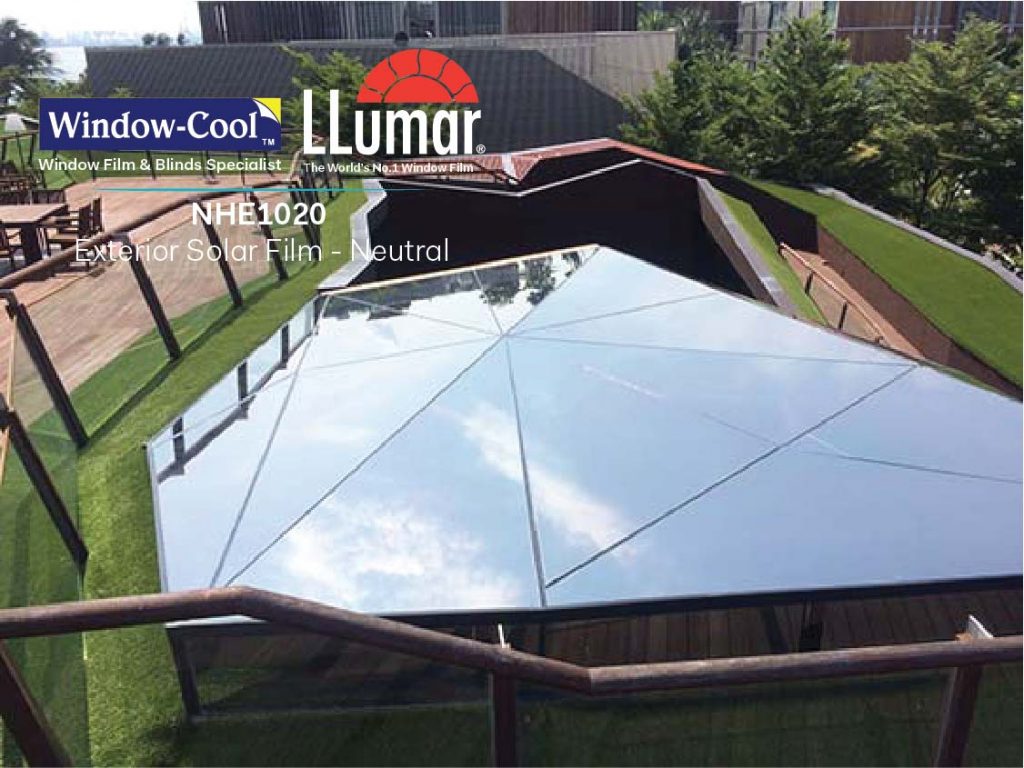
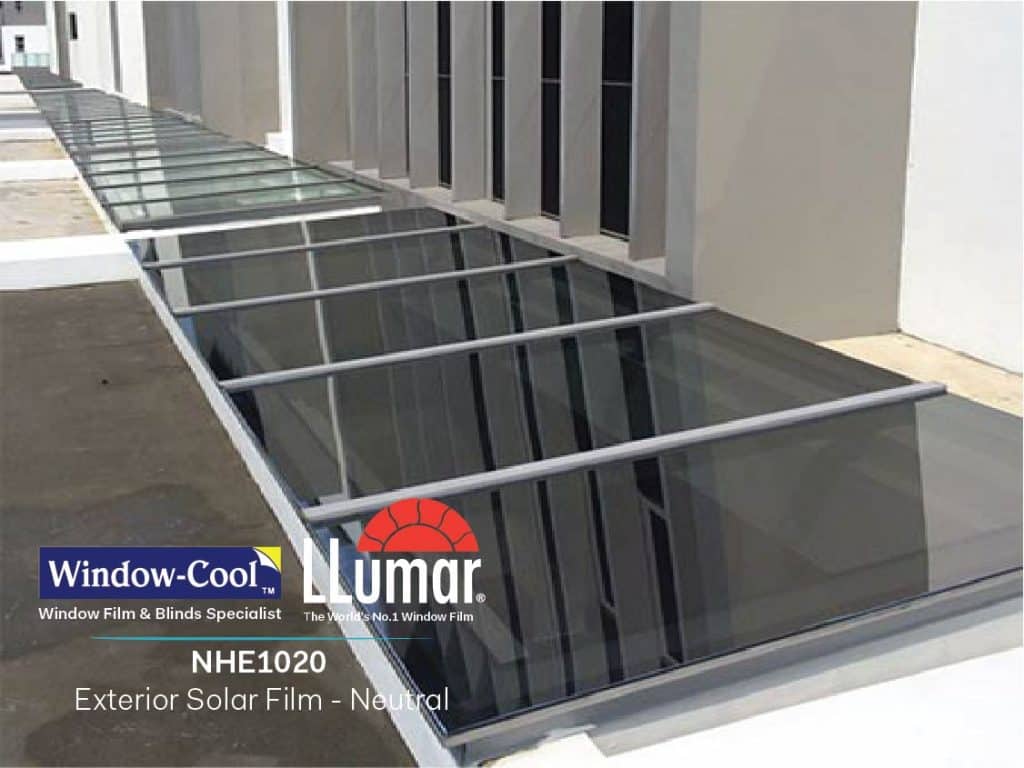
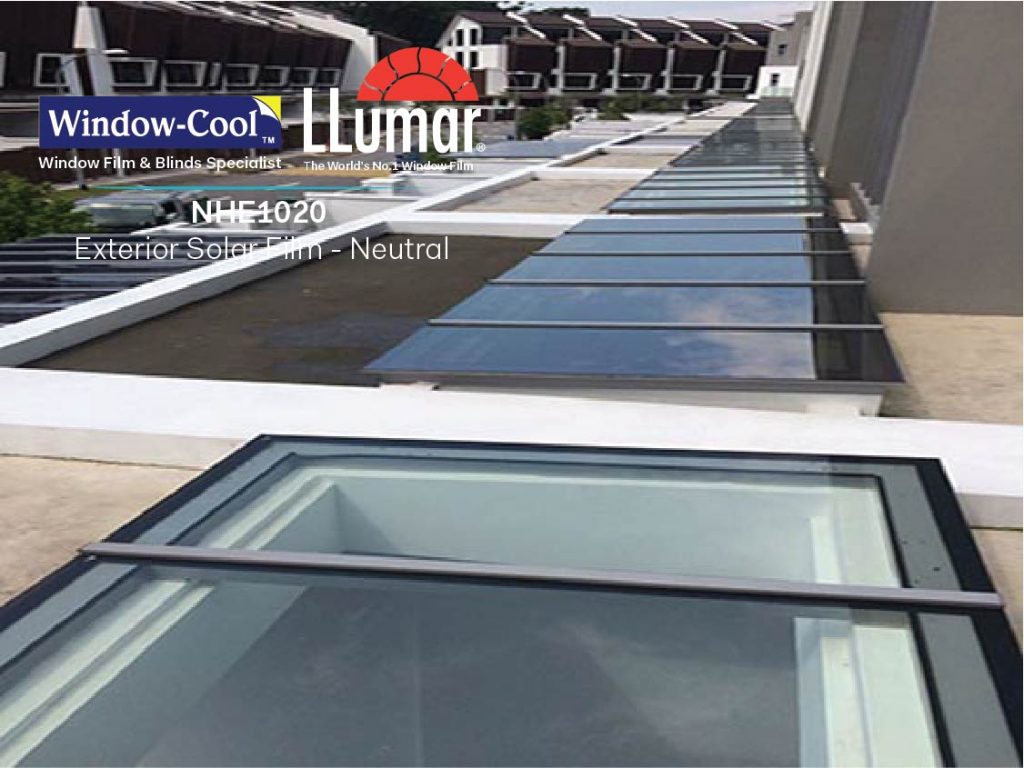
Our past projects
Trusted across Singapore, Window-Cool delivers expert window film, blinds, and tinting installations. Enhance comfort, privacy, and energy efficiency while enjoying long-lasting, high-quality results.
Our Location:
- 50 Serangoon North Ave. 4 #03-03 First Centre, Singapore 555856
Opening Hours:
- Mon - Sat: 9a.m. - 6p.m. PH & Sunday: Closed
Our Location:
- 50 Serangoon North Ave. 4 #03-03 First Centre, Singapore 555856
Opening Hours:
- Mon - Sat: 9a.m. - 6p.m. PH & Sunday: Closed

The Leading Provider of Window Films & Blinds in Singapore Since 1999
© Copyright 2026 windowcool.com
The Leading Provider of Window Films & Blinds in Singapore Since 1999
© Copyright 2026 windowcool.com
Follow Us