

Your Condo Windows Are Already Tinted. Could Solar Film Still Improve Your Home?
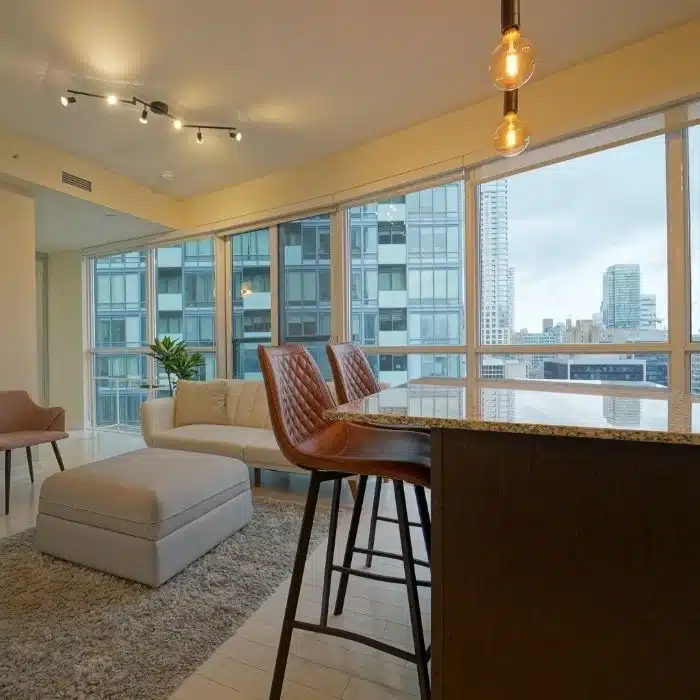
Yes, solar film can improve some already-tinted condo windows. It is worth considering when a compatible film adds useful solar heat or glare reduction while retaining a level of daylight you enjoy. The right choice starts with the performance of your existing glass and the improvement you want from it.
You chose a home with a view. You arranged the living room to enjoy it. But when the afternoon sun arrives, you find yourself pulling the curtains across windows that are already tinted.
Before spending more on them, you want two things answered:
Will solar film make a worthwhile difference? And will I still like how my home looks?
A good recommendation should answer both.
At Window-Cool, you can start with the windows you have, the time the room becomes uncomfortable and the brightness you want to preserve. Those details give the film selection a clear purpose.
Already tinted does not mean there is nothing to improve
Your existing glass may already be doing useful work. Tinted glass can reduce solar heat gain, some windows have coatings designed to control heat transfer, and some have an applied film from a previous installation. Appearance alone does not reveal their performance, so two homes with similar-looking windows can have different starting points.
For one home, a suitable film may offer a worthwhile improvement. For another, the existing glazing may already perform well enough that further solar control is a lower priority. The question is what the proposed film adds to your particular windows, so you can assess the upgrade without assuming the original glazing is inadequate.
Begin with what you want to keep
When choosing an upgrade, it is natural to focus on what bothers you. What you already enjoy deserves equal attention. Perhaps you want to keep the daylight reaching the back of the living room, the pleasant colour of the view, or the brightness of a home that feels light without switching on the lights.
Tell the consultant those preferences at the beginning. “We want less afternoon heat, but we like the room’s current brightness” is a useful brief. It gives Window-Cool a practical starting point for discussing suitable options.
Will another film make the room too dark?
Adding solar film can reduce the light passing through your existing glass. How much depends on the selected film, the glazing and the surrounding conditions. Visible light transmission (VLT) describes how much visible light passes through the specified glazing system, so read any published VLT figure together with its stated glass basis.
Ask whether a suitable sample can be viewed in the room, from your normal seating position. Consider:
- The daylight deeper inside the room.
- The colour of the outdoor view.
- Light-coloured walls and furnishings.
- Reflections when the indoor lights are on.
A small sample helps compare colour and reflection, but cannot fully show how the room will feel once every pane is treated. LLumar spectrally selective films are one category to discuss when daylight retention matters; suitability still depends on the exact product and existing glass.
What improvement does the quotation represent?
A headline heat-rejection figure does not automatically describe the improvement over your current windows. Film performance is reported for a specified glass-and-film combination, and LLumar’s technical guidance notes that its TSER figures generally use 3 mm clear glass unless otherwise stated. Your condo may have different glazing, so ask: “How does my existing glass compare with the same glass after this film is installed?”
As a hypothetical example, if an existing glazing system has an SHGC of 0.50 and a suitable film brings it to 0.35, solar heat gain through that glazing falls by 30% ((0.50 − 0.35) ÷ 0.50). This is an illustration, not a product result or a prediction for your home, and it does not mean a 30% drop in room temperature or electricity bills. If your original glass specification is unknown, the consultant should explain what is established and what remains an estimate.
What if my condo has low-E or double-glazed windows?
Suitable films can be used on many window types, but the specific combination must be checked. LLumar recommends selecting products compatible with the particular glass. The International Window Film Association explains that low-E suitability depends on the coating type, its position within the glazing and the desired benefit, and highlights film-to-glass checks because film can affect solar absorption and thermal stress.
Share any glazing documents from the developer or managing agent, and tell the consultant if there is already an applied film, since installing over factory-tinted glass and over an existing film are different situations. Before installation, clarify:
- The recommended film model and application surface.
- The basis for compatibility with your glazing.
- Any implications for an existing glazing warranty.
- The film warranty and installation scope.
Start with a photo and three details
You do not need to know your glass specification or choose a film before enquiring. Window-Cool supplies and installs LLumar window films in Singapore and also provides blinds and curtains, so you can discuss both the permanent treatment on the glass and any adjustable shading the room still needs. Send a photo of the affected windows and room, with:
- When it becomes uncomfortable, for example during afternoon sun.
- What you want to improve: heat, excessive brightness or both.
- What you want to keep: daylight, window colour or the outward view.
Include any existing-film documents, glazing information or building management guidance. The quotation should make the selected product and work scope clear, and the finished appearance and written warranty deserve discussion alongside the price.
Frequently Asked Questions
_______
Yes, a suitable architectural film can be installed on many types of factory-tinted glass. The installer should check the exact glazing, film and application conditions before recommending a product.
It can be, if the proposed film delivers a useful additional benefit and the finished appearance suits you. Existing solar control should form the baseline for the assessment.
No. An additional film does not remove colour already present in the glass. A high-transmission film aims to limit further light loss while providing its particular performance benefits.
Not automatically. Some low-E glazing already provides strong solar control; other configurations may have scope for improvement. The existing performance, compatibility and desired result determine whether film is worthwhile.
Photographs are useful for starting the conversation. They cannot reliably identify the complete glazing construction or establish its solar performance. Final selection may require supporting information and an on-site assessment.
Ask for the existing film and glass to be assessed before choosing an upgrade. Clarify whether removal is required and how preparation, appearance and warranty will be handled.
Our Location:
- 50 Serangoon North Ave. 4 #03-03 First Centre, Singapore 555856
Opening Hours:
- Mon - Sat: 9a.m. - 6p.m. PH & Sunday: Closed
WhatsApp Hotline:

The Leading Provider of Window Films & Blinds in Singapore Since 1999
© Copyright 2026 windowcool.com